



The Department of Education on Friday announced a delay in its plans to garnish the wages of defaulted student loan borrowers while the Trump administration works on major reforms to repayment programs.
The agency said delaying wage garnishment will allow more time for reforms that seek to simplify repayment options for borrowers as well as provide an additional opportunity for borrowers in default to rehabilitate their loans.
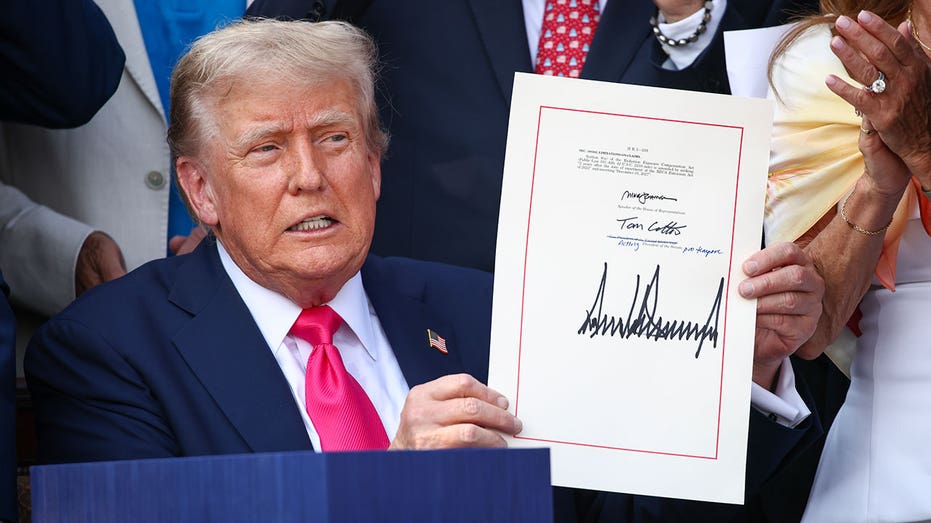
Last year’s enactment of the One Big Beautiful Bill Act (OBBBA) directed the Department of Education to reduce the number of federal student loan repayment plans, including a single standard repayment plan and an income-driven repayment plan that is expected to be available starting July 1, 2026.
The OBBBA also gave defaulted borrowers who were previously only afforded one opportunity to rehabilitate their loan to get back on track with their payments a second chance to get out of default.
TRUMP ADMINISTRATION SERVES A FINAL BLOW TO END BIDEN’S SAVE STUDENT LOAN PROGRAM
The agency said it expects the delay in collections will give borrowers in default more time to evaluate the new repayment options once they consolidate their loans or complete a repayment or rehabilitation agreement.
“After the Biden administration misled borrowers into believing their student loans would not need to be repaid, the Trump administration is committed to helping student and parent borrowers resume regular, on-time repayment, with more clear and affordable options, which will support a stronger financial future for borrowers and enhance the long-term health of the federal student loan portfolio,” said Under Secretary of Education Nicholas Kent.
TRUMP ADMIN STARTS SENDING NOTICES TO STUDENT LOAN BORROWERS IN DEFAULT AHEAD OF WAGE GARNISHMENT
“The department determined that involuntary collection efforts such as Administrative Wage Garnishment and the Treasury Offset Program will function more efficiently and fairly after the Trump administration implements significant improvements to our broken student loan system.”
Earlier this month, the administration signaled it would begin sending notices to student loan borrowers in default, informing them that wage garnishment would begin in 30 days. Those notices also inform borrowers of options to deal with the defaulted loan.
TRUMP ADMINISTRATION AGREES TO SPEED UP STUDENT LOAN FORGIVENESS UNDER NEW COURT DEAL
Borrowers who are in default could see up to 15% of their after-tax wages garnished, along with tax refunds and certain federal benefits, although a minimum weekly income is protected from garnishment. Wage garnishment continues until the defaulted loan is paid in full.
When student loan borrowers receive notices about wage garnishment, they’re informed of the opportunity to enter into a voluntary repayment agreement and to request a hearing to raise objections to the garnishment.
Hearings provide borrowers an opportunity to object to the existence, amount or enforceability of their debt; object on the grounds that garnishing 15% of disposable income would produce an extreme financial hardship; or seek a ruling on whether garnishment can be used at the current time if the borrower has been employed for less than 12 months after an involuntary separation from employment.
Read the full article here