



What is one of the first things we ask people when we meet them? “What do you do?” If the response is, “I am retired,” it is often a conversation killer.
It’s understandable – none our definitions of “to retire” are particularly inspiring. To “withdraw from a particular place to a place of safety or seclusion.” To “recede” or even to go to bed at the end of the day. To retire financial bonds means they have reached maturity and are now expired.
In 1935, President Franklin D. Roosevelt secured the Social Security Act which made workers and their employers fund their retirement at age 65. At this time, “the average life expectancy of the American man was just 58.” Based on 2023 data, the life expectancy for males is 75.8 years and for women 81.1 years. Since both of my parents lived into their 90s, I plan to live beyond the average life expectancy.
For more than a decade, I’ve hosted a monthly podcast called “Becoming a Sage” where I interview thought leaders about work, life, and wisdom. In each episode, I say, “I am out to retire the word retirement.” When we exit our main career, we are not retiring from life, we moving onto something else. And I believe it takes time and intentional thought to successfully move on to what’s next in life.
While I am not advocating staying in your career forever, I think it is wise to think about what’s next. If we leave main career at 55 or 60, we may have another 30 years to live. If my clients like what they are doing and they have the option of continuing to do it, then I advise them to continue. If you are self-employed, an artist, or writer, no one is going to tell you to stop creating. But not everyone has the choice of deciding when they leave.
Don’t Retire: REWIRE
“Don’t Retire: REWIRE! 5 Steps to Fulfilling Work That Fuels Your Passion, Suits Your Personality” by Jeri Sedlar and Rick Miners says it directly: Don’t retire. While there is an explosion of books written on the topic of retirement, this book reminds us to channel our interests and talents in other directions. In workshops, I encourage participants to identify their gifts, and we discuss how to contribute those gifts in different ways.
In fact, I advise my clients to stop identifying themselves as “retired.” When someone asks you what you do, reframe the question with responses such as: “I am interested in working on the homeless issue in our city.” “I’m involved in the Animal Rescue League.” Or “I am passionate about working with organizations addressing climate change.”
Similarly, try to refrain from asking others, “What do you do?” Instead, ask people about what they are interested in or what they are involved in. Or “How are you contributing your talents and energy these days?” These are conversation starters that help you get to know people at a deeper level faster. You can also find some common ground on which to build relationships.
Don’t Retire, Evolve: What Pro Athletes Can Teach Us About Retirement
We can learn a lot from watching professional athletes as they must make the decision to leave their profession earlier than most of us. We watched Tom Brady retire and then move to another team. Now he is a commentator for professional football. Aaron Rogers is not ready to stop playing the game nor is LeBron James. It must be so difficult when these athletes have had their whole identity based on what they do. In fact, the transition can be life or death for some of them.
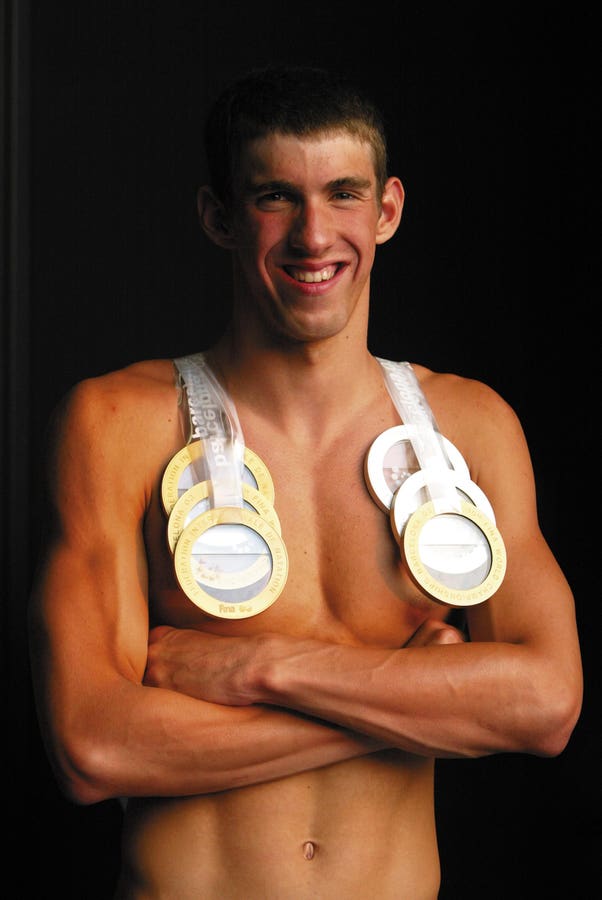
With the Winter Olympics around the corner, I was reminded of the blog post I wrote for the Modern Elder Academy’s blog called Wisdom Well. I recommended readers watch the documentary “The Weight of Gold” narrated by Michael Phelps.
The documentary emphasizes how athletes don’t know how to transition from training to be an Olympic athlete to living and working as a regular citizen. Even if they are gold medalists, they often struggle. Several of the athletes said, “No one prepared me for life after being an Olympian.”
Another documentary that reflects how hard it is for athletes to let go is “Federer: Twelve Final Days.” During Roger Federer’s last twelve days before he officially retires, we witness the full spectrum of his emotions and how much tennis has shaped who he is and his identity. As a Federer fan, it is authentically painful even though he and his family know it is time to do so.
Leaving one’s career and moving on is a challenging transition for most people and athletes age-out much sooner than most of us. Phelps says in “The Weight of Gold” that there should be support and education for athletes to help them make a healthy transition to what comes after the Olympics–for what’s next in life. The truth is everyone could benefit from support and education when approaching large life transitions.
When Serena Williams made the decision to move on from tennis, she described how she was evolving away from tennis. I think “evolving” rather than “retiring” or “quitting” is a great way of reframing one’s exit from their main career. Evolving implies continued growth and movement forward.
How You Can “Not Retire”
I encourage clients to start planning for what’s next five years before leaving one’s job. Use this time while you have a paycheck to explore, discover, and experiment. Return to informational interviewing where you learn from the experiences of others you respect.
So much of retirement planning is focused on money. And you need enough money to support your lifestyle. But once you have the financial piece figured out, here are critical questions I use to guide my clients in navigating life transitions:
- How will you stay relevant and engaged?
- Where will you find your tribe or social network?
- How will you structure your time?
- How do you want to contribute your gifts and energy?
The answers to these questions may involve volunteer work or working part-time. Some people start encore careers and others become entrepreneurs. But the main reason not to retire is that hopefully there is more life to experience after you’ve left your main career. Shifting your perspective about retiring helps you to move on to what’s next in life.
Read the full article here